Why Pour Over Coffee Tastes Different: The Science Behind Water Flow, Grind Size, and Extraction
Pour over coffee tastes different because it gives you more control.
Unlike instant coffee, capsule coffee, or automatic machines, pour over brewing allows you to control how water meets coffee grounds, how fast it flows, how long it stays in contact, and how evenly it extracts flavor. These small details may look simple, but they can completely change the final cup.
A brighter cup, a sweeter cup, a cleaner cup, or a bitter cup often comes down to three key factors: water flow, grind size, and extraction.
What Makes Pour Over Coffee Unique?
Pour over coffee is a manual brewing method. Hot water is poured over ground coffee, passes through a filter, and drips into a server or cup.
The method sounds simple, but it is highly sensitive to technique. In pour over brewing, water does not just “wet” the coffee. It dissolves flavor compounds from the grounds and carries them into the cup.
That means every choice matters:
- How fine or coarse the coffee is ground
- How fast the water is poured
- How evenly the coffee bed is saturated
- What kind of dripper and filter are used
- How long the water stays in contact with the coffee
This is why pour over coffee is loved by many coffee enthusiasts. It gives the brewer the ability to shape the taste, not just make a drink.
The Science Of Extraction
Extraction is the process of pulling soluble compounds out of coffee grounds and into water.
During brewing, water dissolves acids, sugars, oils, aromatics, and bitter compounds from the coffee. These compounds do not all extract at the same time. Some come out quickly, while others need more time.
Generally:
- Early extraction brings out acidity and bright flavors
- Middle extraction brings sweetness and balance
- Later extraction can bring bitterness, dryness, and heavier flavors
The Specialty Coffee Association’s classic Brewing Control Chart connects coffee strength and extraction yield, showing that balanced brewing depends on both how much coffee dissolves and how concentrated the final drink is.
In simple terms, a good pour over is about finding balance. Too little extraction can taste sour, sharp, or thin. Too much extraction can taste bitter, dry, or harsh.
Water Flow: Why The Pour Matters
Water flow is one of the most important reasons pour over coffee tastes different.
When you pour water by hand, you decide where the water goes, how quickly it enters the coffee bed, and how much agitation it creates. A steady pour helps water move evenly through the grounds. An uneven pour can cause some areas to extract too much and others too little.
This is why a gooseneck kettle is so useful. Its narrow spout allows a slower, more controlled stream than a regular kitchen kettle. Better control helps you pour in circles, target the center, avoid flooding the edges, and keep the coffee bed more evenly saturated.
Recent research reported in 2025 also highlighted how pouring technique can affect extraction: slower pouring and a higher but still controlled pouring height can increase mixing and help produce a stronger brew, as long as the stream remains unbroken.
For everyday home brewing, this means the goal is not to pour dramatically. The goal is to pour steadily.
A controlled water flow can help create:
- More even extraction
- Better sweetness
- Cleaner flavor
- Less bitterness from channeling
- A more repeatable brewing routine
Grind Size: The Hidden Flavor Dial
Grind size controls how quickly water moves through coffee and how much surface area is exposed.
A finer grind has more surface area, so it extracts faster. It also slows water down because the spaces between coffee particles are smaller. A coarser grind has less surface area and allows water to pass through more quickly.
Perfect Daily Grind explains that water flows faster through coarser coffee because larger grounds leave more space between particles.
That is why grind size can change the same coffee from sour to balanced to bitter.
If the grind is too coarse:
- Water passes through too quickly
- Coffee may taste sour, weak, or hollow
- Sweetness may feel underdeveloped
If the grind is too fine:
- Water passes through too slowly
- Coffee may taste bitter, dry, or muddy
- The cup may feel heavy or harsh
For most pour over brewing, a medium to medium-fine grind is a good starting point. From there, the brewer can adjust based on taste.
If the coffee tastes too sour, grind slightly finer.
If the coffee tastes too bitter, grind slightly coarser.
Why Grind Consistency Matters
Grind size is not only about “fine” or “coarse.” Consistency also matters.
Coffee grounds are never perfectly identical. Even in one brew, there can be large particles and tiny fines. Barista Hustle describes brewing as a mixture of many small “micro-extractions,” because different particles extract at different rates depending on their size, shape, flow, and contact time.
This is why a good grinder can make pour over coffee taste cleaner. A more consistent grind helps reduce the gap between under-extracted large particles and over-extracted tiny particles.
In practical terms:
- More consistent grind = more balanced flavor
- Too many fines = slower drawdown and possible bitterness
- Too many large pieces = weak or sour notes
For a pour over coffee tool brand, this is an important educational point. A dripper, kettle, and filter all matter, but a consistent grind is one of the foundations of a better cup.
The Role Of The Dripper
The dripper shapes how water moves through coffee.
Different dripper designs create different flow patterns. A cone-shaped dripper, such as a V60-style dripper, often encourages a faster and more direct flow toward the center. A flat-bottom dripper usually creates a more even coffee bed and can feel easier for beginners to control.
The shape, ribs, holes, and material of the dripper can all affect brewing:
- Cone drippers often create brighter, more expressive cups
- Flat-bottom drippers often create sweeter, more balanced cups
- Ceramic drippers hold heat well but need preheating
- Plastic or resin drippers are lightweight and heat stable
- Metal drippers are durable but may lose heat faster
There is no single “best” dripper for everyone. The best choice depends on the flavor you enjoy and the kind of brewing experience you want.
The Role Of The Filter
The filter affects clarity, body, and flow speed.
Paper filters usually create a cleaner cup because they capture fine particles and some oils. This gives pour over coffee its clear, crisp, and tea-like quality.
But not all filters behave the same way.
Filter differences include:
- Paper thickness
- Shape
- Material
- Flow rate
- Bleached or natural paper
- Cone, flat-bottom, wave, or Chemex-style format
A thicker filter may slow the flow and produce a very clean cup. A thinner or faster-flowing filter may allow a brighter and lighter brew. A metal filter, by contrast, allows more oils and fine particles into the cup, creating a heavier body.
This is why the same coffee can taste different when brewed with a different filter.
Blooming: The First Step Toward Even Extraction
The bloom is the first pour in a pour over brew.
Freshly roasted coffee contains carbon dioxide. When hot water first touches the grounds, gas escapes and the coffee bed rises or bubbles. This is called blooming.
Blooming helps prepare the coffee for more even extraction. If gas remains trapped inside the coffee bed, water may not contact all grounds evenly. Many common recipes use about twice the coffee’s weight in water for the bloom and wait around 30 to 45 seconds before continuing.
For example:
- 15g coffee
- 30g bloom water
- Wait 30–45 seconds
- Continue pouring to the final brew weight
A good bloom makes the rest of the brew more stable.
Why Pour Over Can Taste Cleaner
One of the most common descriptions of pour over coffee is “clean.”
This clean taste comes from a combination of factors:
- Paper filtration removes sediment
- Manual pouring allows better control
- Proper grind size improves balance
- Even extraction reduces harshness
- Fresh beans and proper storage preserve aroma
Compared with instant coffee, pour over usually has more aroma and complexity because it is brewed from freshly ground coffee. Compared with capsule coffee, it gives the brewer more control over dose, grind, water temperature, and pouring style. Compared with automatic drip coffee, it can feel more personal and precise.
That is why pour over coffee often highlights delicate flavors such as citrus, florals, honey, stone fruit, chocolate, or tea-like notes.
Common Taste Problems And What They Mean
Pour over coffee is easy to adjust once you understand what the cup is telling you.
If The Coffee Tastes Sour
Possible causes:
- Grind is too coarse
- Water passed through too quickly
- Water temperature is too low
- Not enough contact time
- Coffee bed was unevenly saturated
Try grinding slightly finer, pouring more slowly, or using slightly hotter water.
If The Coffee Tastes Bitter
Possible causes:
- Grind is too fine
- Brew time is too long
- Water is too hot
- Too much agitation
- Coffee bed was disturbed too much
Try grinding slightly coarser, pouring more gently, or reducing brew time.
If The Coffee Tastes Weak
Possible causes:
- Too much water
- Too little coffee
- Grind is too coarse
- Water flowed too quickly
Try increasing the coffee dose, grinding finer, or slowing the pour.
If The Coffee Tastes Muddy
Possible causes:
- Too many fines
- Grind is too fine
- Filter is clogged
- Pouring is too aggressive
Try using a better grinder, grinding coarser, or pouring more gently.
A Simple Starting Recipe
For beginners, a simple pour over recipe can make the process easier.
Try this:
- Coffee: 15g
- Water: 250g
- Ratio: 1:16.6
- Water temperature: 90–94°C
- Grind size: medium to medium-fine
- Bloom: 30g water for 30 seconds
- Total brew time: around 2:30–3:30
Steps:
- Heat the water.
- Grind the coffee.
- Place and rinse the filter.
- Add coffee grounds and level the bed.
- Pour 30g water and bloom for 30 seconds.
- Continue pouring slowly in circles.
- Let the coffee drain.
- Swirl the server and enjoy.
This recipe is only a starting point. The real beauty of pour over coffee is that it can be adjusted.
How Tools Help You Brew Better
Pour over coffee is not about using complicated tools. It is about using the right tools for better control.
A gooseneck kettle helps control water flow.
A well-designed dripper helps guide extraction.
The right filter helps shape clarity and body.
A good grinder helps create consistent particles.
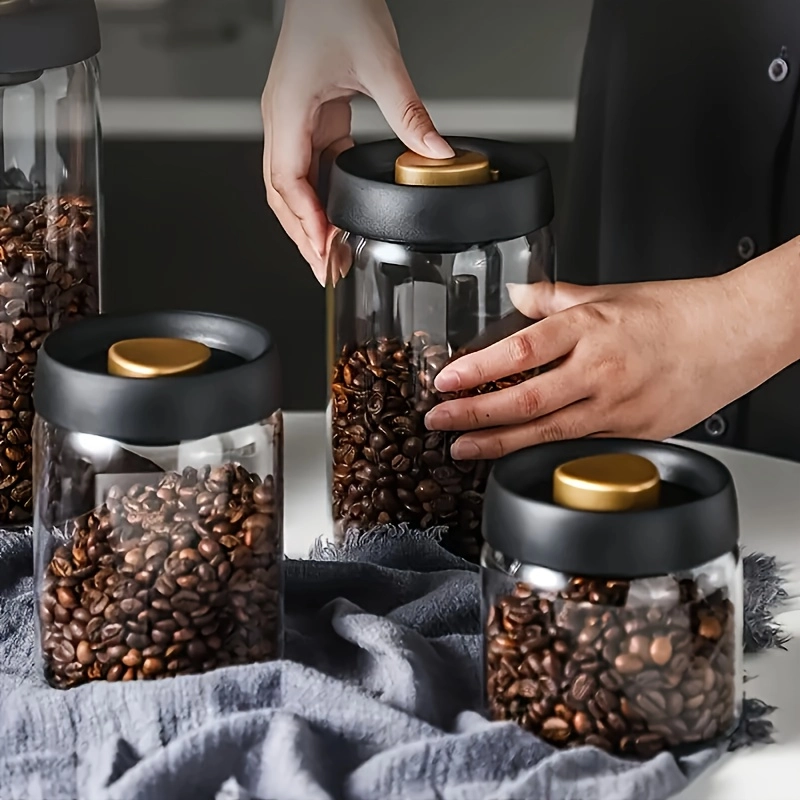
A storage canister helps protect coffee freshness.
Together, these tools make the brewing process more stable and more enjoyable.
They also turn coffee making into a ritual. Instead of rushing through a drink, you create a moment: heating water, preparing the filter, pouring slowly, watching the bloom, and waiting for the final cup.
Conclusion: Different Taste Comes From Better Control
Pour over coffee tastes different because every detail is in your hands.
Water flow controls how evenly the coffee extracts. Grind size controls how fast extraction happens. Filters and drippers shape clarity, body, and flow. Blooming prepares the coffee bed. Freshness protects aroma.
This is why pour over coffee can taste brighter, cleaner, sweeter, and more layered than many faster brewing methods.
It is not just coffee made by hand.
It is coffee shaped by attention.