
The History of Pour Over Coffee: From Slow Brewing Tradition to Modern Coffee Ritual
In a world built around speed, pour over coffee invites us to slow down.
Before coffee became something we could brew with a button or buy in seconds, it was a more hands-on experience. People heated water, ground beans, prepared filters, and waited as coffee slowly passed through the brewer. The process took attention, but that attention is what made it meaningful.
Today, pour over coffee is more than a brewing method. It has become a daily ritual for people who care about flavor, craftsmanship, and the small details of life.
Coffee Made By Hand
The idea behind pour over coffee is simple: hot water is poured over ground coffee, then gravity pulls the brewed coffee through a filter and into a cup or server.
Compared with older brewing methods that often left sediment or bitterness in the cup, pour over coffee created a cleaner and more controlled drinking experience. By separating the grounds from the finished coffee, it allowed the natural aroma, acidity, sweetness, and body of the beans to appear more clearly.
The Birth Of Paper Filters
A major turning point came in 1908, when German inventor Melitta Bentz created the paper coffee filter.
This simple innovation changed home brewing. It helped remove coffee grounds from the cup and made coffee smoother, cleaner, and easier to prepare. It also made people pay more attention to the role of filters, flow rate, and brewing tools.
From that moment, making coffee was no longer only about hot water and beans. The shape of the filter, the material, and the way water moved through coffee all began to matter.
Pour Over Becomes A Home Ritual
As paper filters and manual brewers became more common, pour over coffee entered everyday homes.
The tools were simple: a dripper, a filter, ground coffee, hot water, and a cup or server. But the result was deeply personal. Every small choice could change the final taste — grind size, water temperature, pouring speed, filter type, and brewing time.
This is what makes pour over special. It gives people control instead of a fixed result. A cup of coffee becomes something shaped by your hands.
When Coffee Tools Became Design Objects
In 1941, the Chemex coffee maker brought a new idea to manual brewing: coffee tools could be both functional and beautiful.
Its glass body, hourglass shape, and elegant design made the brewing process visible. Coffee was no longer hidden inside a machine. The bloom, the dripping, and the finished brew became part of the experience.
This idea still shapes modern coffee culture. A kettle, dripper, server, or storage canister is not only a tool. It can also be part of a coffee corner, a morning routine, and a personal lifestyle.
Japanese Craftsmanship And Precision Brewing
Pour over coffee also became closely connected with Japanese coffee culture, where patience, precision, and craftsmanship are highly valued.
Tools like the V60 dripper helped make pour over brewing more technical and expressive. Its cone shape and open design allow water flow, grind size, and pouring technique to directly affect the final flavor.
For coffee lovers, this turned pour over from a simple brewing method into a craft that could be practiced and improved.
From Convenience To Experience
Modern coffee gives us many fast options: instant coffee, capsule machines, automatic brewers, and ready-to-drink drinks.
These options are useful, but pour over coffee offers something different.
Instant coffee focuses on speed.
Capsule coffee focuses on consistency.
Pour over coffee focuses on participation.
You choose the beans, grind them, rinse the filter, control the water, watch the bloom, and wait for the final cup. That process makes the coffee feel personal, intentional, and memorable.
Why Pour Over Still Matters Today
As more people become interested in specialty coffee, pour over has returned as one of the most loved home brewing methods.
It allows people to explore different beans, origins, roast levels, and flavors without needing a professional café setup. With the right tools, anyone can create a thoughtful coffee experience at home.
A gooseneck kettle helps create a steady pour.
A well-designed dripper guides extraction.
The right filter shapes clarity and body.
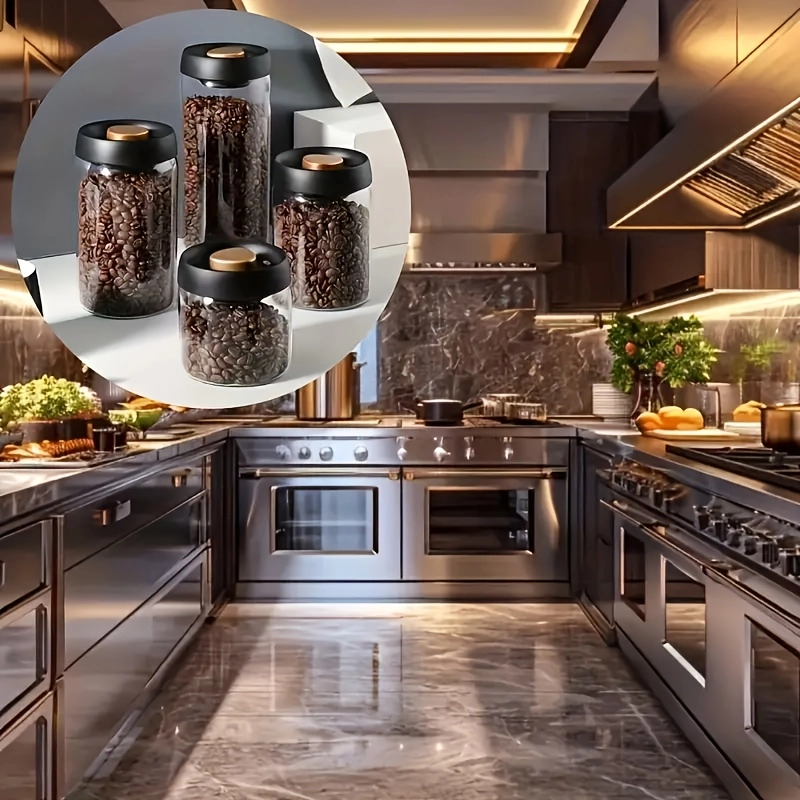
A storage canister protects coffee from air, moisture, and light.
Together, these tools make the ritual smoother, more beautiful, and more consistent.
A Daily Ritual Worth Keeping
At its heart, pour over coffee is not about making life more complicated. It is about choosing to notice more.
The sound of water heating.
The smell of freshly ground beans.
The first rise of the bloom.
The slow drip into the server.
The warmth of the cup in your hand.
These small details are easy to miss in a fast routine, but pour over coffee brings them back.
Conclusion
Pour over coffee has traveled from early manual brewing traditions to modern home coffee rituals. From paper filters to elegant glass brewers and precision drippers, it has always been shaped by one idea: better coffee comes from care.
Today, pour over coffee remains meaningful not because it is the fastest, but because it lets us slow down. Not because it is the easiest, but because it makes every cup feel personal.
A cup of pour over coffee is more than a drink.
It is history, craft, patience, and daily ritual — all held in your hands.